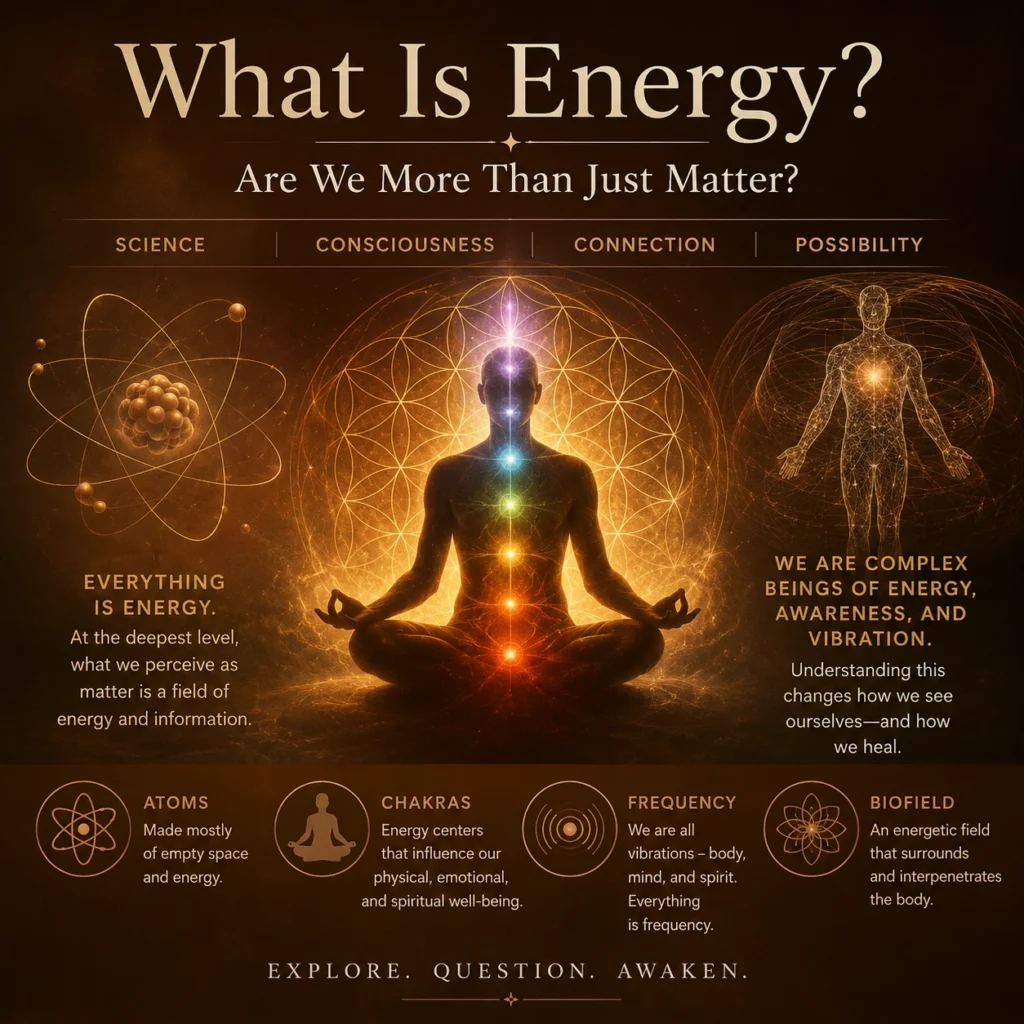
Emotions do not exist only in the mind—they also affect the body. What begins as a mental or emotional experience can eventually influence our organs, nervous system, hormones, energy levels, and even physical pain.
When emotions are not processed properly, the body often carries the burden. Over time, emotional stress can create tension, inflammation, fatigue, and dysfunction within different organ systems.
In holistic and bioenergetic medicine, emotions and organs are deeply connected. Each organ system is believed to hold and express certain emotional patterns.
Emotions & Pain
Pain is not always caused by physical injury alone. Emotional stress can alter breathing, muscle tension, circulation, digestion, and nervous system regulation—creating real physical symptoms within the body.
The body is constantly communicating. Sometimes pain is the body’s way of asking for attention, release, and balance.
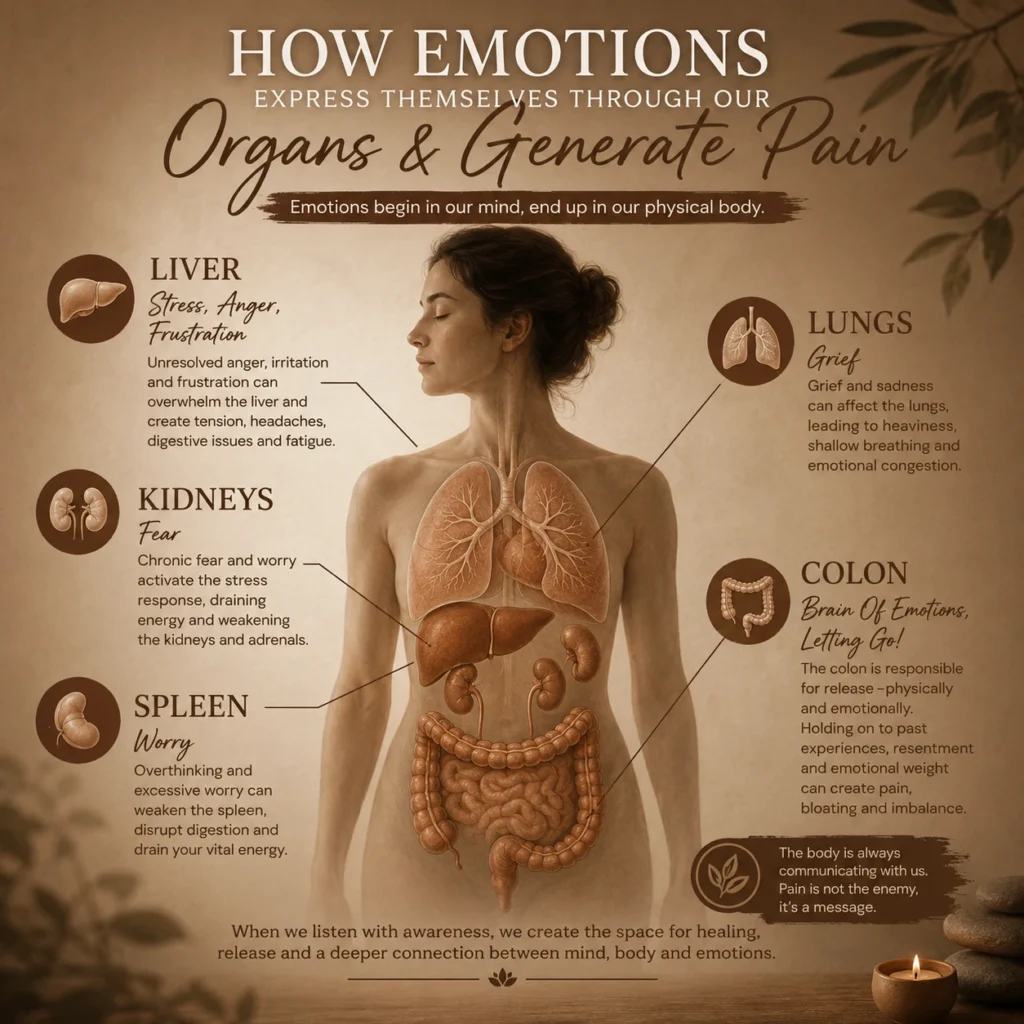
The Liver — Stress, Anger & Frustration
The liver is associated with stress, irritability, anger, and frustration. When these emotions build up over time, people may experience tension, headaches, digestive discomfort, fatigue, or a feeling of being emotionally “stuck.”
Supporting liver health is not only physical—it also involves learning to process stress and emotional pressure more effectively.
The Kidneys — Fear
The kidneys are often linked to fear and survival-based emotions. Chronic fear, uncertainty, or prolonged stress may contribute to nervous system exhaustion, low energy, adrenal stress, and feelings of instability.
When the body stays in “fight or flight” mode too long, the kidneys and adrenal system can become depleted.
The Spleen — Worry & Overthinking
The spleen is connected to worry, overthinking, and mental rumination. Excessive thinking can disrupt digestion, weaken energy, and leave a person feeling mentally and physically drained.
This is why stress and anxiety often affect appetite, gut health, and overall vitality.
The Lungs — Grief & Sadness
The lungs are deeply associated with grief, sadness, and emotional loss. Emotional pain can literally change breathing patterns, chest tension, and oxygen flow throughout the body.
People carrying unresolved grief may experience heaviness in the chest, shallow breathing, fatigue, or emotional numbness.
The Colon — Letting Go
The colon is often considered the organ of release and letting go—not only physically, but emotionally as well.
Holding onto unresolved emotions, past experiences, resentment, or emotional weight can influence digestion, elimination, and internal tension. The body functions best when it can both absorb what it needs and release what no longer serves it.
The Mind-Body Connection
Emotions begin in the mind, but they do not stay there. Every thought, stressor, fear, or emotional experience creates a response within the body.
This is why true healing often requires more than symptom management. It involves addressing:
- Physical health
- Emotional health
- Mental health
- Nervous system balance
Because all systems work together all the time.
Final Thought
The body is always communicating with us.
Sometimes through fatigue.
Sometimes through tension.
Sometimes through pain.
When we begin listening to the emotional patterns beneath the symptoms, we create the opportunity for deeper healing, balance, and long-term wellness.