
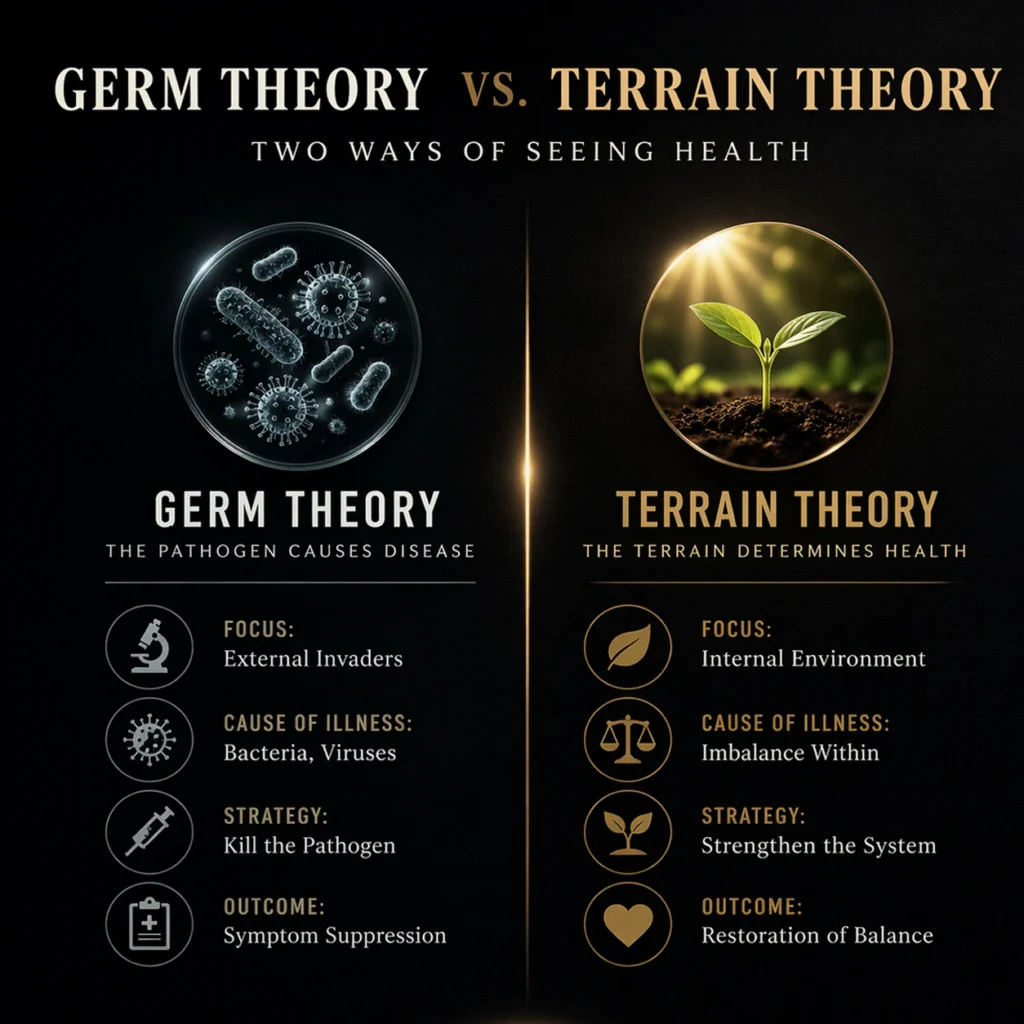
When it comes to understanding illness, two perspectives often come up—Germ Theory and Terrain Theory. While they may seem opposing, each offers insight into how and why we get sick.
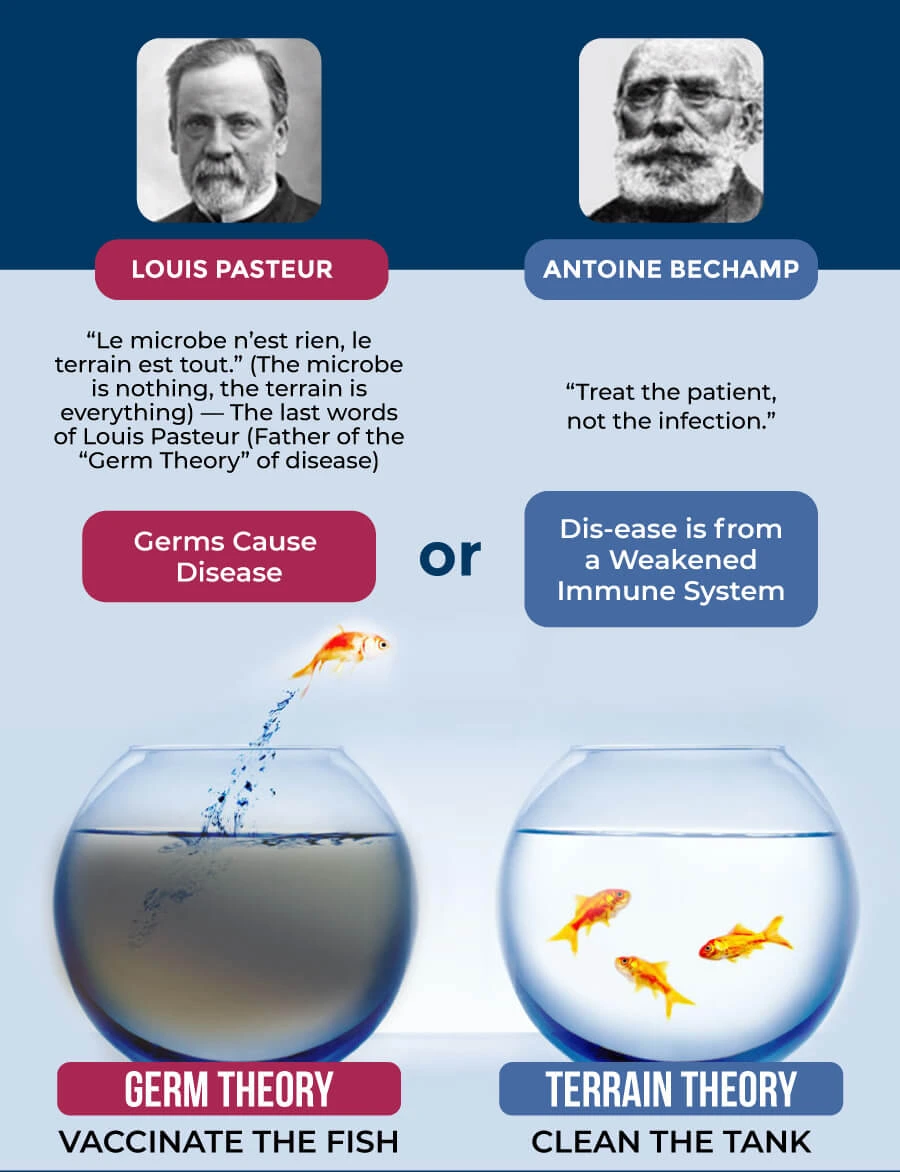
What is Germ Theory?
Germ Theory of Disease states that microorganisms such as bacteria, viruses, and fungi are the primary cause of disease. Pioneered by scientists like Louis Pasteur and Robert Koch, this model revolutionized modern medicine.
It led to major advancements like antibiotics, vaccines, and sterile surgical practices—especially effective in treating acute infections and life-threatening conditions.
What is Terrain Theory?
- Poor nutrition
- Toxins
- Stress
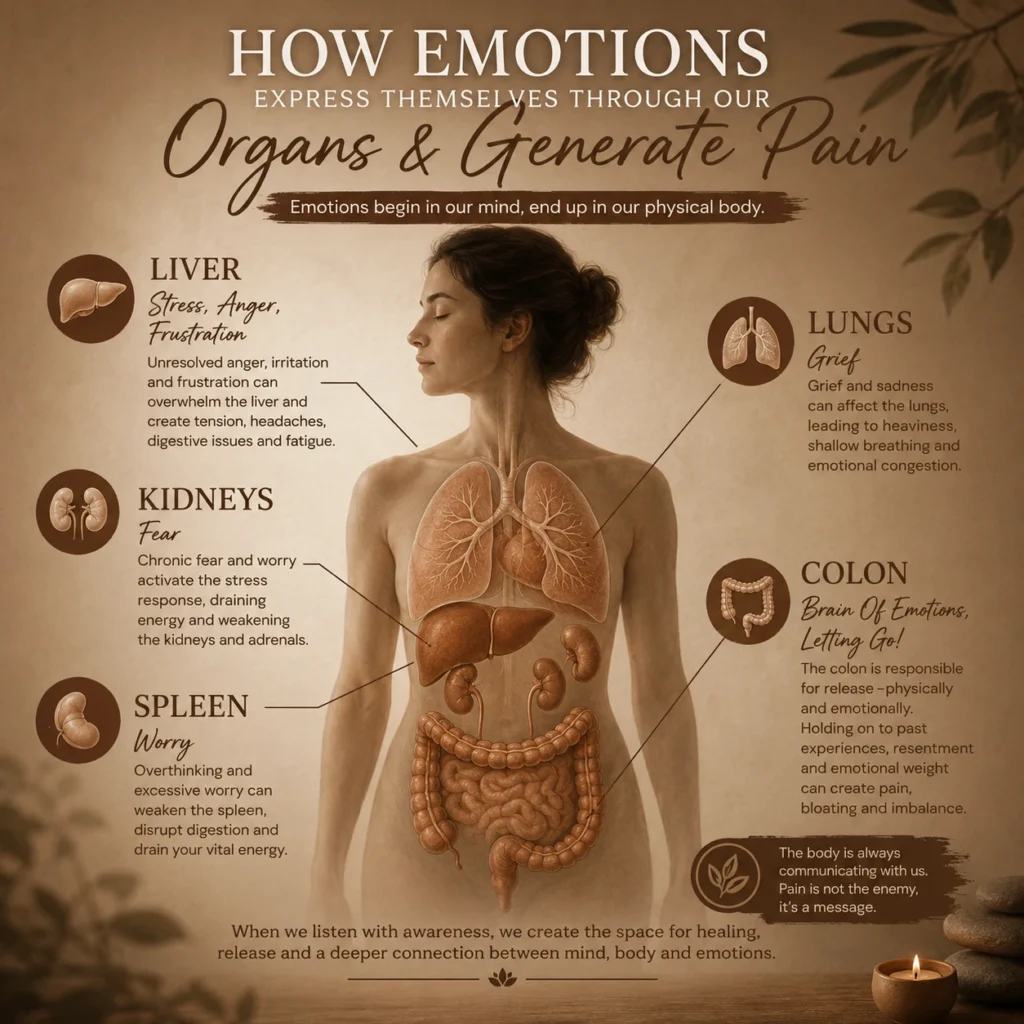
- Emotional imbalances
A healthy terrain can resist or manage microbial exposure more effectively.
The Key Difference
Beyond spinal adjustments, chiropractors often use complementary therapies to manage migraines, such as:
- Germ Theory: “The germ is the cause.”
- Terrain Theory: “The environment determines the outcome.”
ne focuses on the external invader, the other on the internal condition.
A More Balanced Perspective
In reality, health isn’t one-dimensional. Germs exist everywhere—but not everyone exposed gets sick. This suggests that both the presence of microbes and the strength of the body’s terrain play a role.
Modern approaches to wellness are increasingly integrating both views:
- Addressing pathogens when necessary
- Strengthening the body’s internal systems for resilience
Final Thoughts
Instead of choosing one theory over the other, the real opportunity lies in understanding how they work together.
By supporting your body’s internal environment while respecting the role of external factors, you create a stronger foundation for long-term health—not just symptom management, but true resilience.
I appreciated the thorough discussion about how Germs may play a role in illness, but the strength of the body’s internal terrain matters just as much. True wellness comes from supporting the body’s natural resilience, balance, and ability to adapt—not simply fighting symptoms alone.
Comments are closed.